

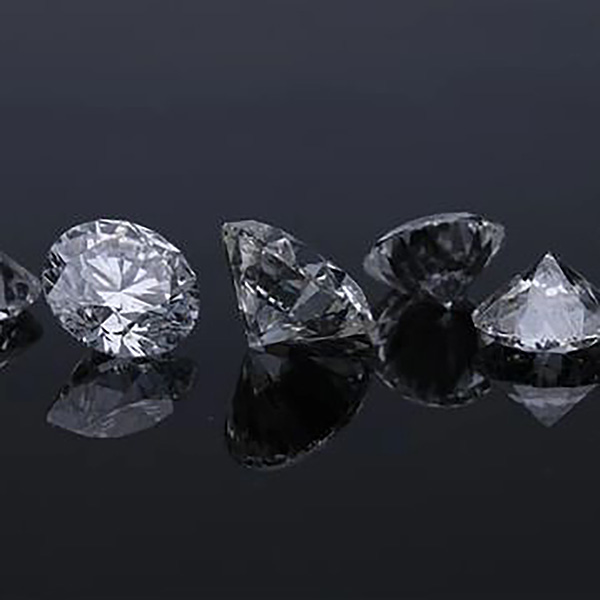
I’ve been hearing a lot online recently about the benefits of laboratory diamonds and I thought it would be helpful to talk a bit more about them, alongside the pros and cons. They are often sold as the perfect solution to a mined diamond, but in my opinion, it’s a bit more complicated than that.
Pros
Less expensive – you can get a much bigger diamond for a lot less money
No mining – less environmental damage
More sustainable – they aren’t a natural resource that can run out.
Cons
If they aren’t traceable to the factory/lab of origin you have no idea what the working conditions are, whether child labour is involved, if there are human rights abuses, fair pay etc, or where or how they are cut (think health and safety and child labour)
If they aren’t traceable you don’t know where they originate from – most lab diamonds come from China and India (alongside Russia and the USA). EDITED: Happy to say I now have a supplier based in the EU, who manufacture their own traceable lab diamonds, in a factory run predominantly off solar power. I’m working on updating listings to include lab diamonds as an option, but if in the meantime you’d like to use a traceable lab diamond in your ring or jewellery, get in touch for a chat/quote.
Lab diamonds are made in one of two ways HPHT (high pressure high temperature) or CVD (chemical vapour deposition). HPHT technology uses a lot of energy to create those white diamonds, which means high emissions. CVD technology uses less energy, but those diamonds need to be heated to make them colourless (white).
My advice
So, yes lab diamonds are cheaper and they avoid mining. However if you care about where things come from and want your purchase to be sustainable and ethical, you need to have traceability – which is what my new supplier of lab diamonds offers 🙂
As far as I’m aware, there is currently no supplier of loose, traceable lab diamonds in the UK.
Alternatively, consider a diamond recycled from antique or vintage jewellery, or a traceable artisanally mined coloured gemstone such as sapphire.
Moissanite is another often used substitute for diamond. Unlike diamond (which is made of carbon) moissanite is made of silicon carbide. It is a synthetic gemstone and is rarely found ocurring naturally. It’s sold by Charles and Colvard (and others) in the USA.
I’d love to know what you think and what your preference would be.
If you’re looking for the perfect ring, whether that’s with a lab or natural diamond, get in touch for a chat